Computer engineering student · Georgia Tech

Anuj
Kakkad

A / ABOUT

Education, skills & interests

Education

Georgia Institute of Technology

B.S. in Computer Engineering

Expected May 2028 · Atlanta, GA

Skills

Languages
C, C++, C#, Python, SystemVerilog
Embedded
FreeRTOS, ESP-IDF, device drivers, HAL, multithreading
Interfaces
I²C, SPI, UART, SCPI, digital I/O
Tools
CMake, GDB, Git, Jenkins, .NET, TensorFlow, Snowflake
Verification
UVM, RISC-V, branch prediction

Interests

embedded systemscomputer visionhardware verificationchesscharcoal drawingphysical computinghardware acceleratorsHW/SW co-design

B / EXPERIENCE

Selected experience

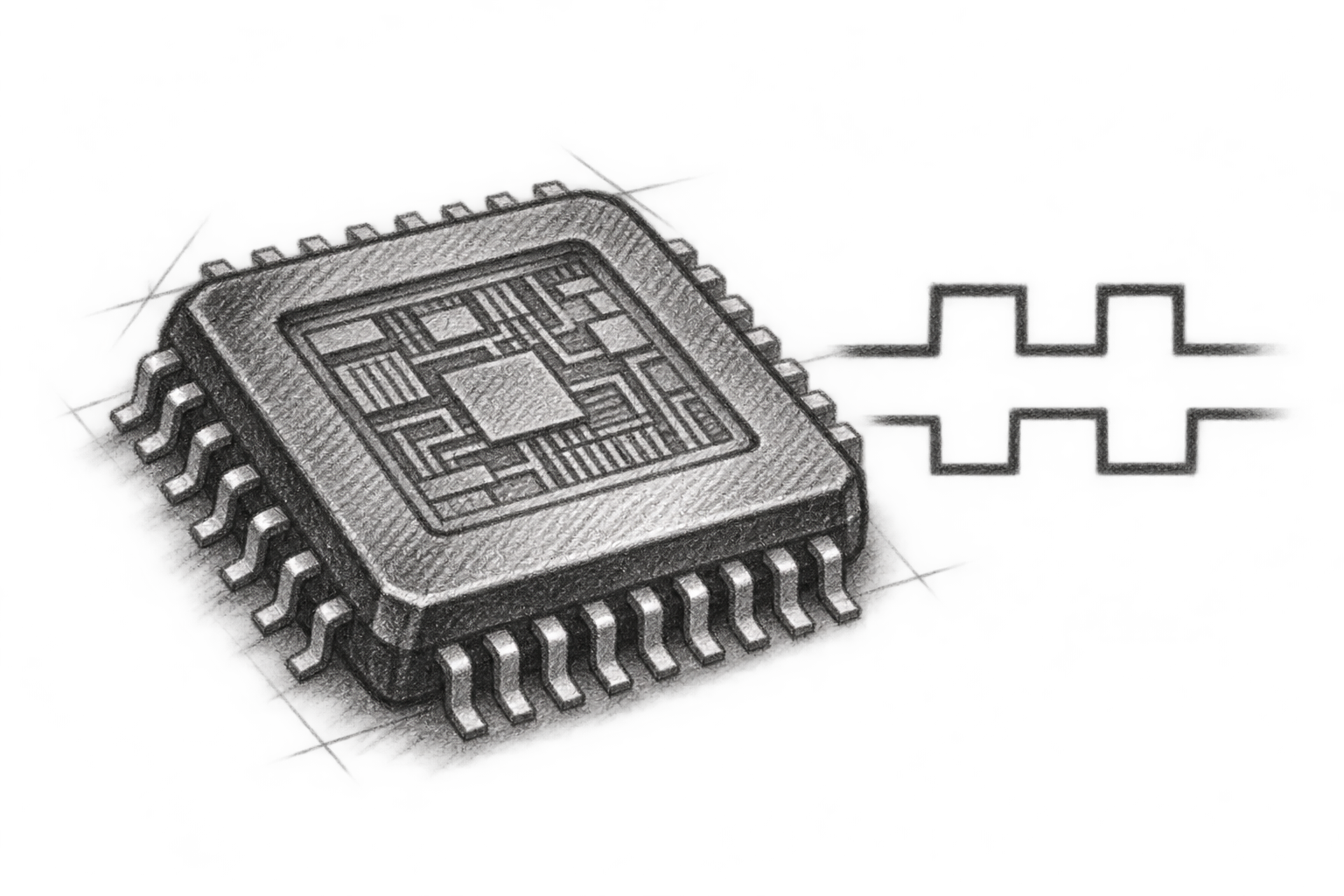
Charcoal sketch of a processor chip with die details and digital waveforms

Aug 2026 — Present

Atlanta, GA

Silicon Jackets · Georgia Institute of Technology

Design Verification Engineer

Developing a SystemVerilog/UVM testbench to verify branch-target prediction in a RISC-V processor.
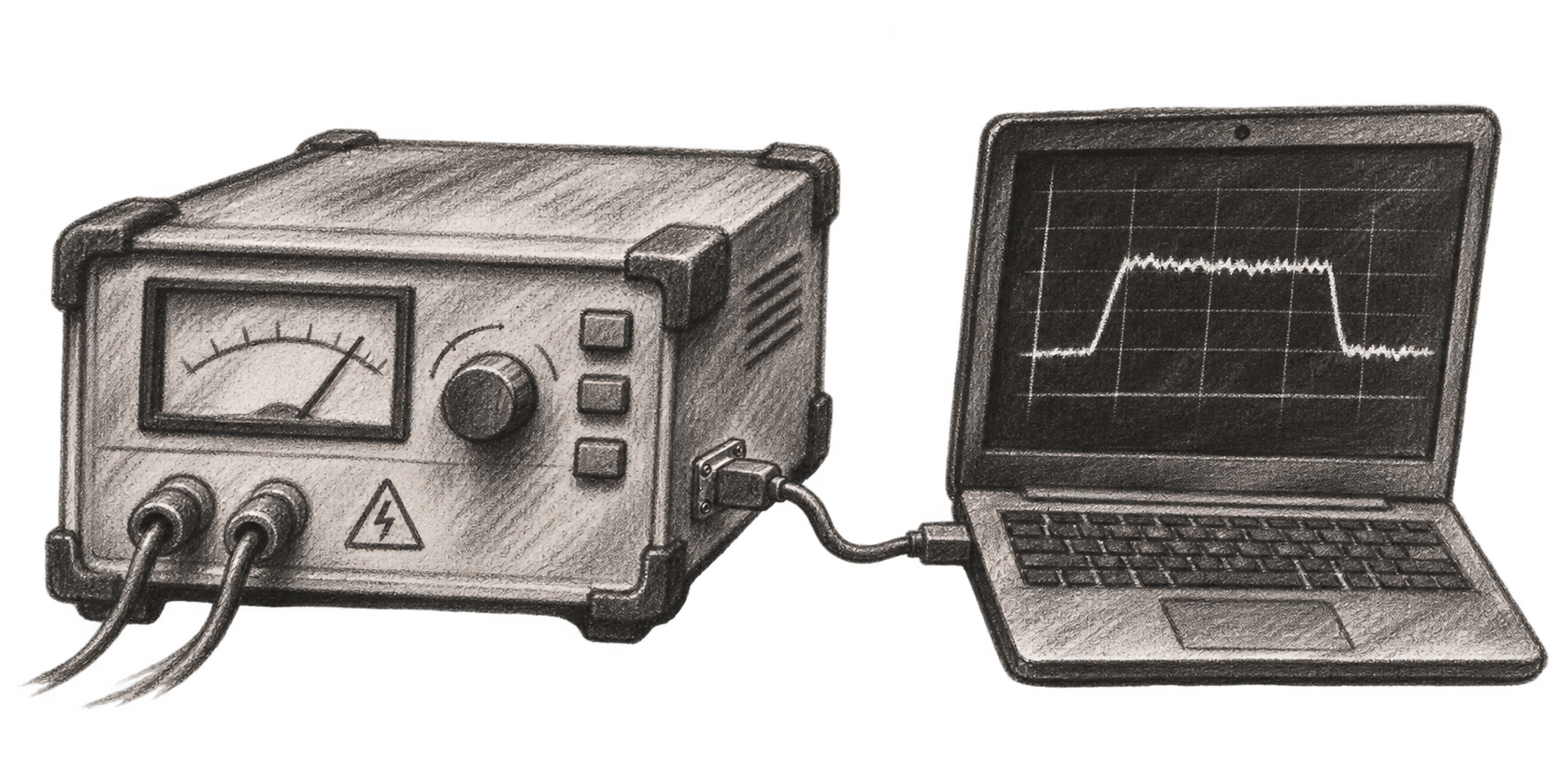
Charcoal drawing of an electrical test instrument connected to a laptop

Jun — Aug 2026

Sunnyvale, CA

Intuitive

Software Engineering Intern

  • Developed a C instrument driver for a high-voltage insulation tester, from configuration through measurement retrieval and error handling.
  • Built asynchronous monitoring around a mutex-protected 8,192-sample circular buffer.
  • Cut direct serial query latency by 45% versus NI-VISA in benchmark testing.
CSCPIWin32POSIX
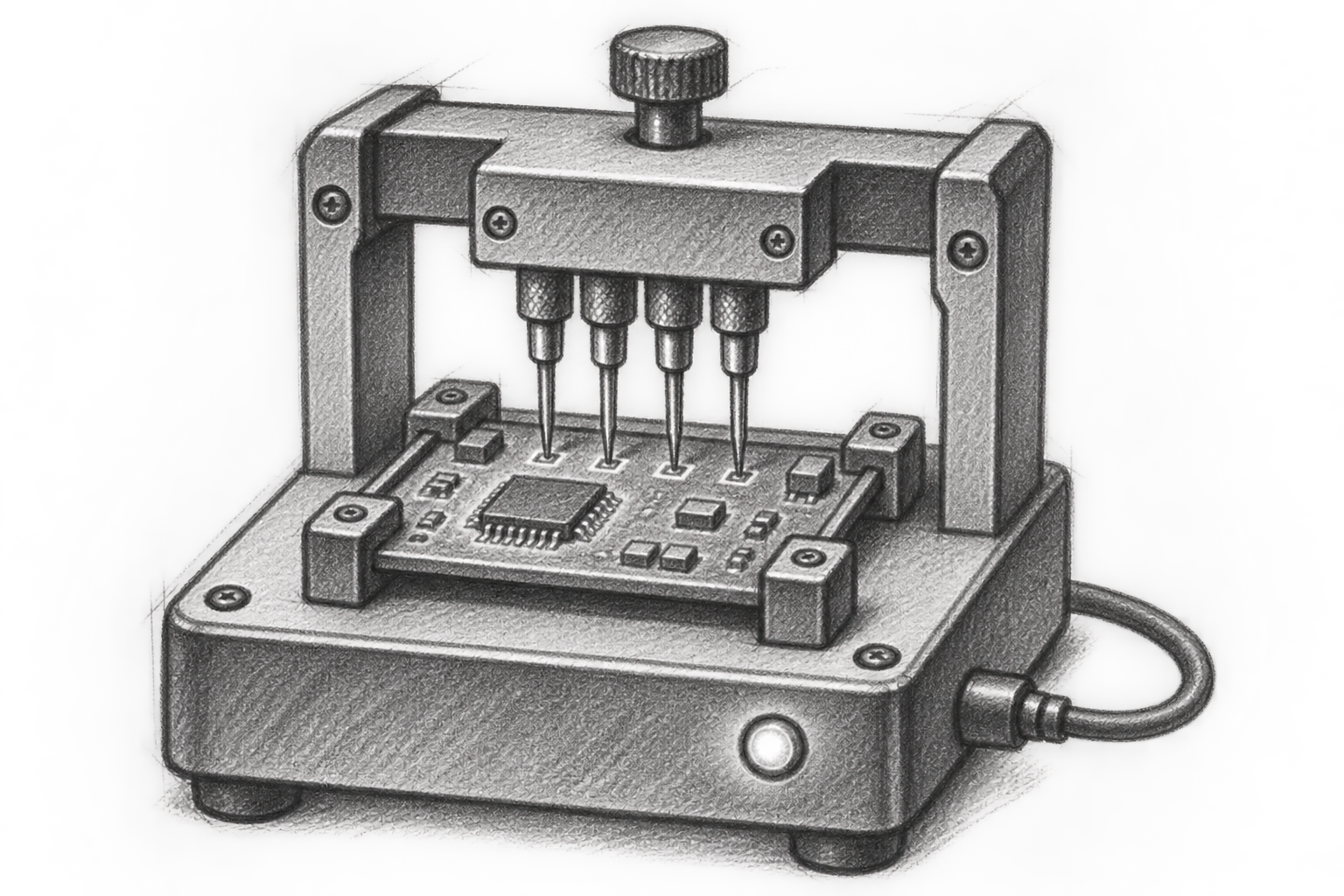
Charcoal sketch of a compact circuit board test fixture

Jul — Dec 2025

Norwood, MA

Moderna

Technical Development Co-op

  • Built a C#/.NET hardware station that ran more than 300 device tests per day.
  • Designed a 15+ state sequence for I/O, measurement, acquisition, and pass/fail logic.
  • Created hardware abstraction layers that reduced hardware-dependent development and test cycles by 50%.
C#.NETJenkinsSnowflake
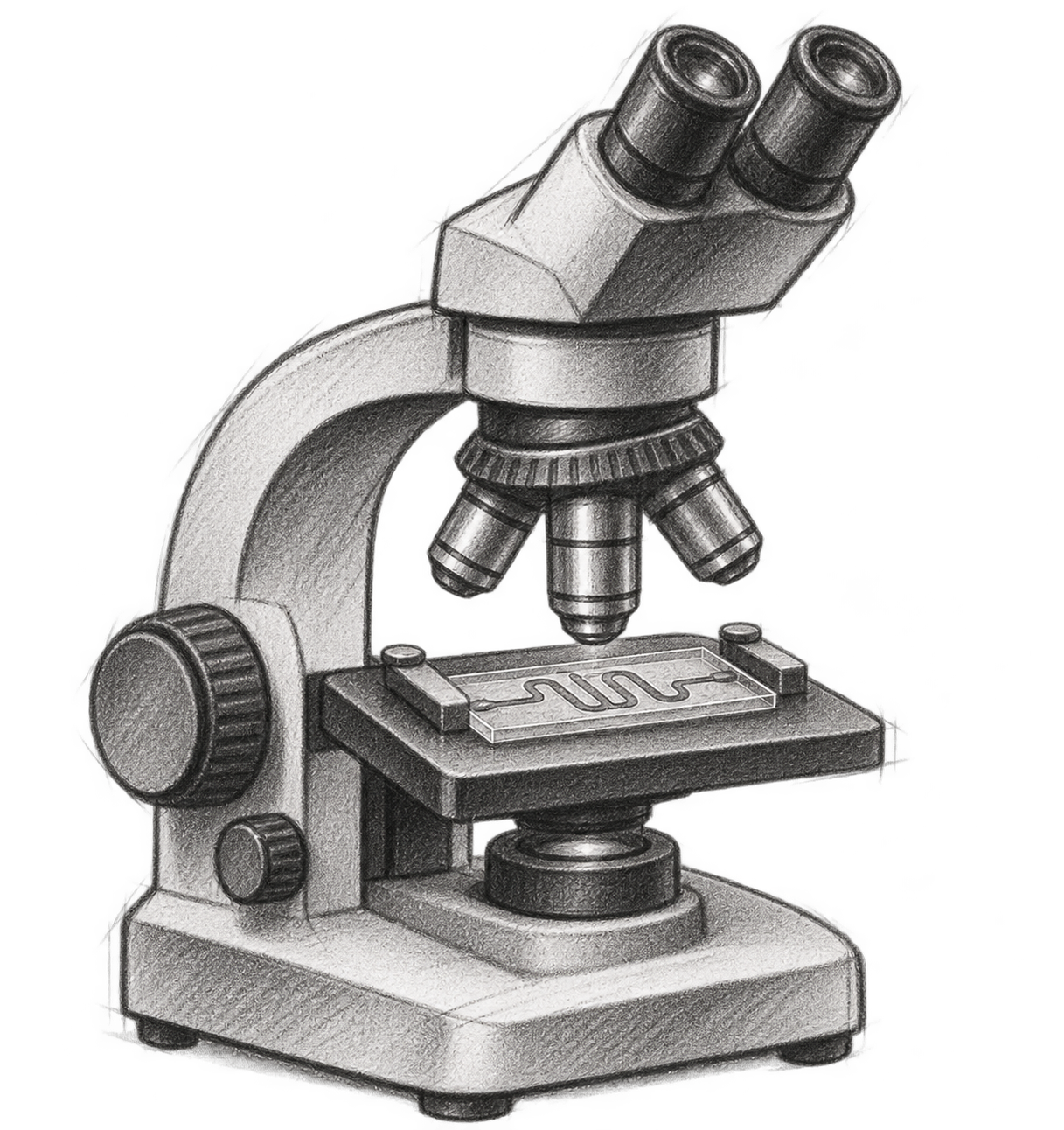
Charcoal sketch of a microscope and microfluidic slide

Aug 2024 — May 2025

Atlanta, GA

Sulchek BIOMEMS & Biomechanics Lab · Georgia Tech

Undergraduate Researcher

  • Built a Python/TensorFlow CNN pipeline to locate microfluidic clogging across nine regions, reaching 97% validation accuracy.
  • Extracted and labeled 3,000 microscopy frames with regional cropping, normalization, and augmentation.
  • Used per-region persistence at 100 ms intervals to distinguish sustained blockages from transient predictions.
PythonTensorFlowComputer vision

C / FEATURED PROJECT

Chess Specs

Embedded computer vision chess assistant
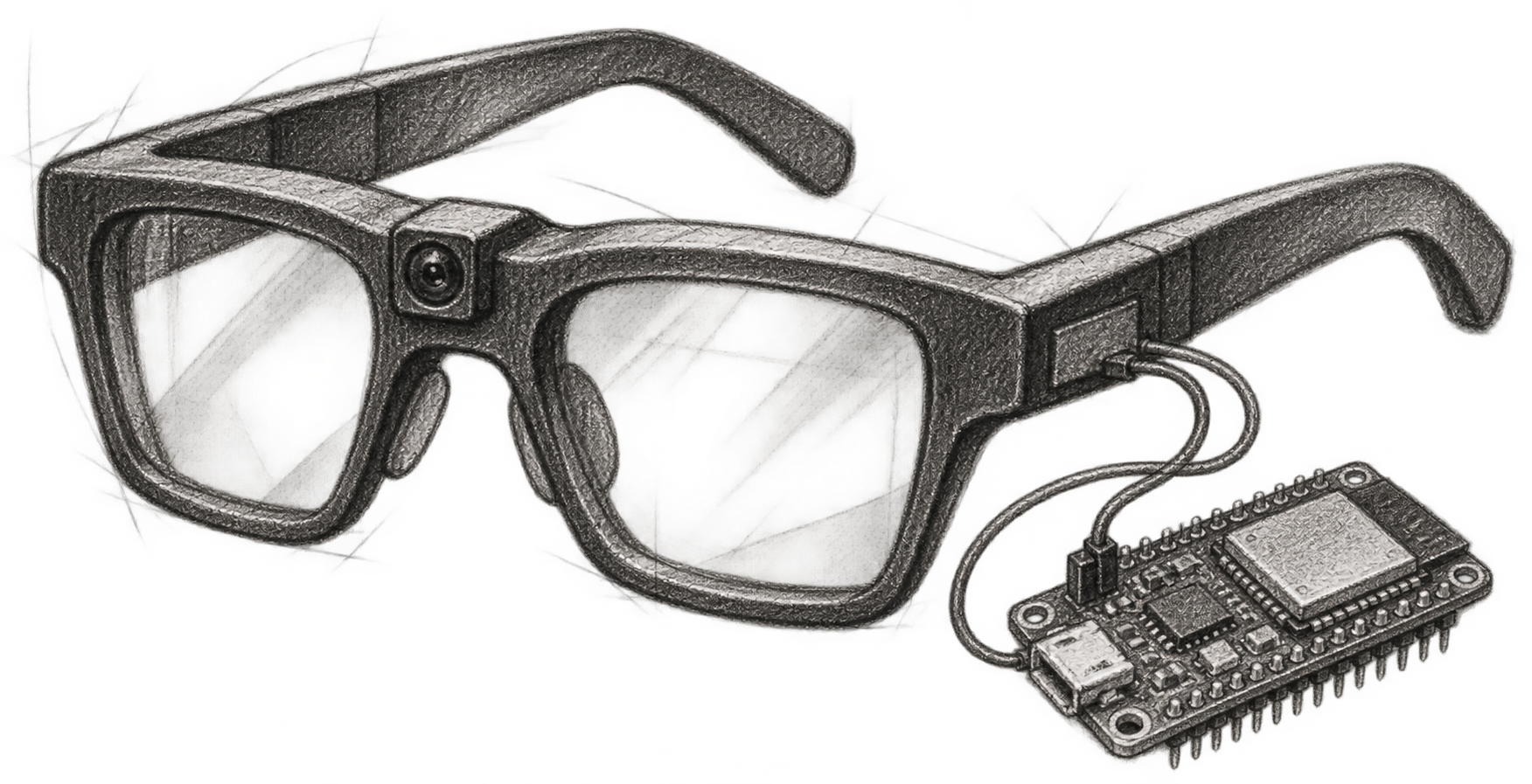
Charcoal drawing of smart glasses with a camera connected to an embedded board camera → board → move

A pair of glasses that watches the board, reconstructs the position, and computes a move on-device.

  1. 01
    See

    Capture 640 × 480 frames on an ESP32-S3 using ESP-IDF and FreeRTOS.

  2. 02
    Understand

    Track square changes to infer moves from the standard starting position.

  3. 03
    Think

    Search with minimax, alpha-beta pruning, iterative deepening, and material/position evaluation.

  4. 04
    Coordinate

    Keep vision, search, and UI tasks in sync with queues and position versioning.

C / C++ESP32-S3FreeRTOSESP-IDF

D / CONTACT

Contact